Crime Maps Help Police Focus Their Resources
· By admin · Caught on Camera: Crime & Incidents, Police, Cities & Public Safety
Updated March 7, 2019
Crime maps, a visual display of all of the crimes committed within a given area, are becoming an increasingly valuable tool for police departments across the country. Allowing police to easily identify particularly troublesome areas, crime maps help police focus often limited resources in the areas where they’re most needed and identify areas that may need extra surveillance, including security cameras, to help identify suspects when crimes are committed. Read on to learn more about how crime maps help police departments and city governments keep residents safer.
Get your crime maps here
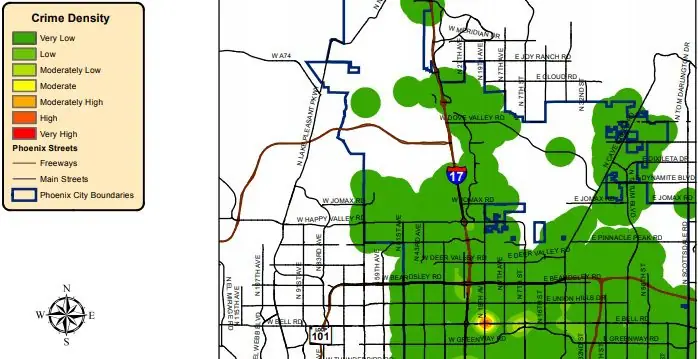
Crime mapping often includes locations that may be predisposed to crime, like pawn shops and convenience stores, and vulnerable zones, like schools and hospitals. This allows police to identify patterns of behavior and understand the underlying causes of crimes, ultimately enabling law enforcement to identify strategies to help counter these issues.
Cities across the country have already deployed their crime maps, with many of these available publicly to allow residents and business owners to better understand potential threats in their neighborhoods. Phoenix, St. Louis, and Middletown police departments have all deployed publicly available crime maps while using more detailed crime mapping techniques within their departments to identify areas of particular concern. While multiple options are available for police departments to develop their crime maps, ArcGIS is a state-of-the-art software tool that many cities use for their public crime maps because its intuitiveness makes it easier for the general public to use.
Keeping a constant eye on trouble areas

Police departments rely on reported crimes in developing their crime maps. Crime mapping allows police to develop heat maps that identify high crime areas, enabling them to concentrate on decreasing crime rates in these areas. However, for a variety of reasons, many violent crimes each year go unreported.
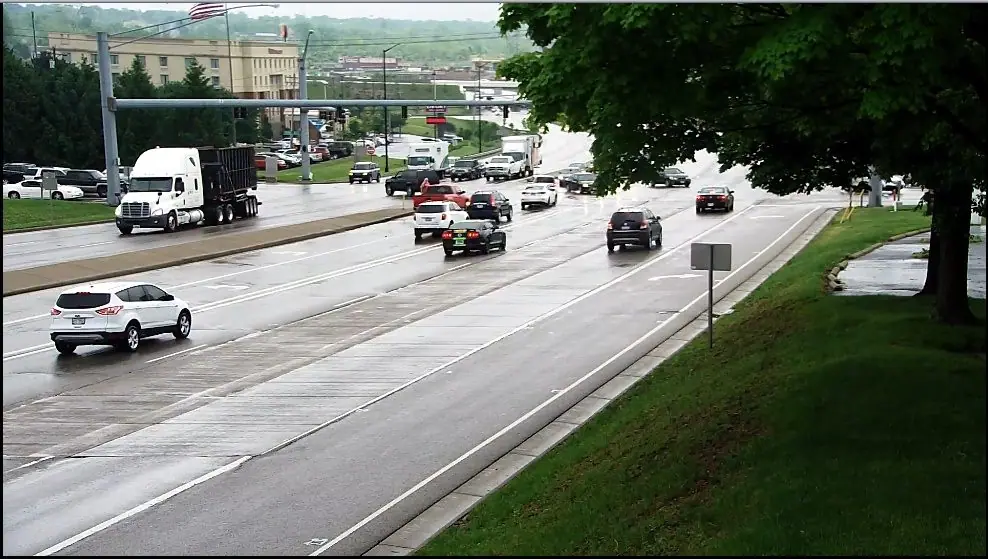
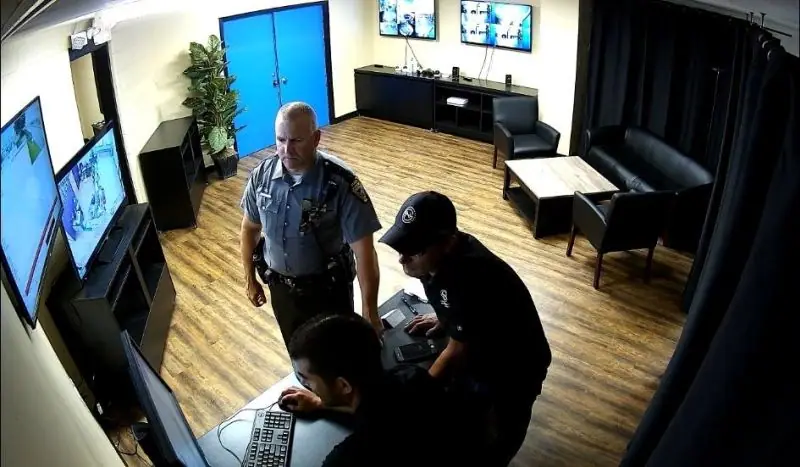
Cities can deploy surveillance cameras in high crime areas can help police capture both reported and unreported crimes, giving them a better view of the situation in a particular area. These security cameras can be remotely connected back to any city building with an internet connection. Authorized users can even connect to the system remotely to monitor situations in real time.
Business-government partnerships
Crime maps allow businesses and individuals to better understand the neighborhoods in which they operate and live. If you own an office building in an area that has a high crime rate, you may want to adopt additional safety measure for your business, including installing security cameras.
Many police departments have developed working relationships with local business owners in developing crime maps. Since local governments operate on limited budgets, police often partner with local businesses to supplement their crime map data, including obtaining footage from the local business’ security cameras for investigations. By working hand-in-hand with local government, business owners are able to take an active role in identifying crime in their neighborhoods and helping make their communities safer.
Surveillance where you need it most
Whenever possible, security camera footage should be monitored in real-time, allowing police personnel to be dispatched and respond to situations as they happen. CameraSecurityNow.com offers surveillance cameras with a variety of features, including license plate and facial recognition, infrared imaging for night time and low light recording, and wireless connectivity. With more than 30 years of experience, our expert security camera installers and technicians can answer any questions you may have about surveillance camera needs for your community. Get a quote for all of your plant security camera needs.

Follow our blog to stay up-to-date with CameraSecurityNow.com and follow us on social media. Join in the discussion by commenting below.