Securing Gear Trucks, Loading Docks & Backstage on Tour
· By admin · Event & Temporary Surveillance, Warehouses, Construction & Parking Lots
A touring production moves its most valuable equipment through some of its least controlled places. Audio, lighting, and video gear spends nights in truck stops and hotel lots, afternoons on open loading docks, and evenings near a busy backstage hallway—usually in a building the crew has never worked in before.
None of this replaces a good crew, a solid advance, or a cooperative venue, and cameras do not stop every problem on their own. If the rider or the venue contract already requires an overnight guard, keep the guard. What cameras can add is a live view and a recording for the tour manager, the stage manager, and the production manager on the nights when nobody from the crew is standing next to the gear.
This guide covers a repeatable overnight setup for trucks and trailers, what to ask each venue about the dock, when temporary access control belongs on a backstage door, and when a rented metal detector belongs at the artist or crew entrance. CameraSecurityNow.com can help you plan the coverage, rent a system for one run, or buy a kit that stays with the gear.
Why Touring Gear Is Exposed at Every Stop
A building’s security system stays in one place. A tour’s risk changes with the city, the venue, and the parking lot. The hours when gear is most exposed are usually the in-between ones, when no one is assigned to watch it:
- Overnight parking at truck stops, venue lots, and staging yards, where trailers sit for hours with no one nearby.
- Hotel parking on travel days and days off, when the crew is asleep and the trucks are around the corner.
- Load-in and load-out, when trailer doors are open, cases are on the pavement, and a lot of people are moving at once.
- Venue loading docks shared with house crew, local stagehands, caterers, vendors, and delivery drivers.
- Backstage, where doors get propped for convenience and laminates are hard to check during a changeover.
The truck routine can be the same every night. The building cannot. A plan for the venue has to be drawn during the advance, then set up fast enough that the crew will actually do it.
A Mobile Camera System Built for This Tour
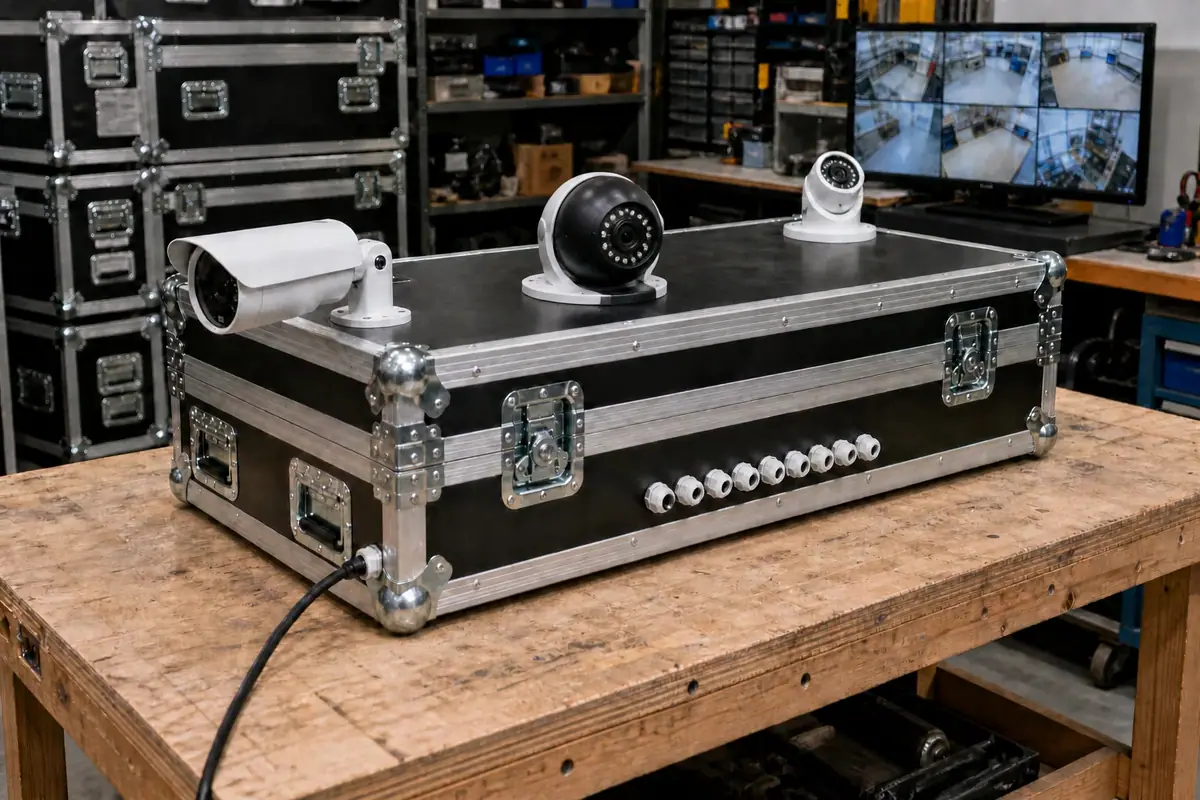
There is no single kit for every show. CameraSecurityNow.com develops custom mobile security camera solutions around the exact way a production moves: where the trucks park, how long they sit, whether the lot has power, and who needs to see the video from the hotel.
A few facts about the tour decide the design:
- How long the gear sits still. A truck that leaves after load-out needs a compact system the crew can put up and strike quickly. A festival site, a staging yard, or a lot that stays for days can use a larger mobile system that stays in place.
- Power. Where the lot has power, the system uses it. Where it does not, the design can include battery or solar. That costs more, so it needs to be in the plan before the trucks roll.
- Connection. When the venue or hotel network is not an option, the system can use a cellular connection so someone on the road can watch it.
For a festival, a residency, or any stop booked far enough ahead, a rental can include a technician to set up, check the views, monitor, and strike the system. Renting is often not the cheaper option. Setup, mounting, and takedown are part of the price. A production that tours often enough to keep a kit on the truck is usually better off buying.
A kit the crew deploys itself has to be simple enough to repeat in the middle of the night. Before the first load-in, settle three things: power at each camera and at the recorder, a locked spot for the recorder (the cab or a production office), and a connection for remote viewing. If one of those is missing, the cameras come home with nothing worth watching.
Watching Gear Trucks and Trailers Overnight
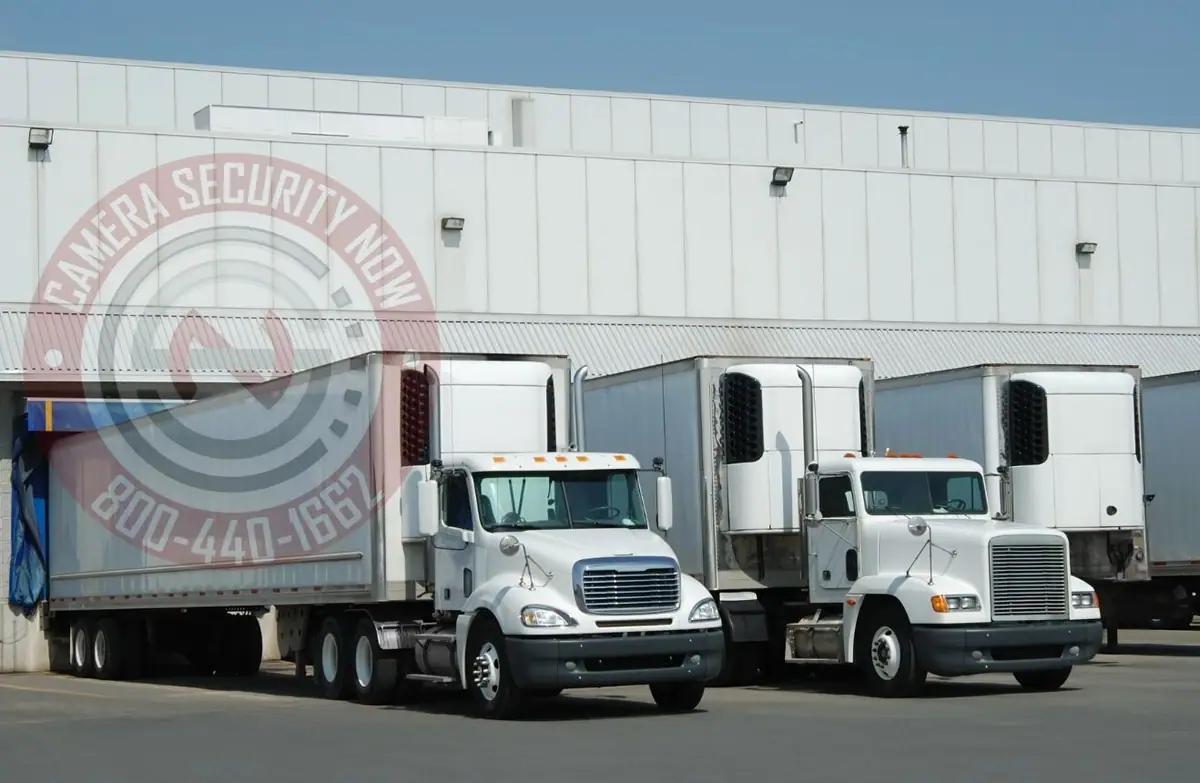
For many tours, the trailer is the single most valuable thing in the lot, and it spends the night with no one inside it. The city changes. The camera routine should not.
- Rear trailer doors come first. Place the camera close enough to show who approaches the doors, not only that a truck is parked in the frame.
- A wider lot view shows vehicles arriving and leaving, and the path people take toward the trucks.
- Lighting at hotels and truck stops decides whether the clip is usable. Park under existing lights when you can, and use a camera that still holds a picture after dark.
During load-in and load-out, aim that same rear-door camera at the ramp and the cases on the pavement. That is when a case is easiest to walk off with, because everyone on the dock is busy. Leave the recorder locked in the cab while the doors are open.
Loading Docks: Where Gear Changes Hands
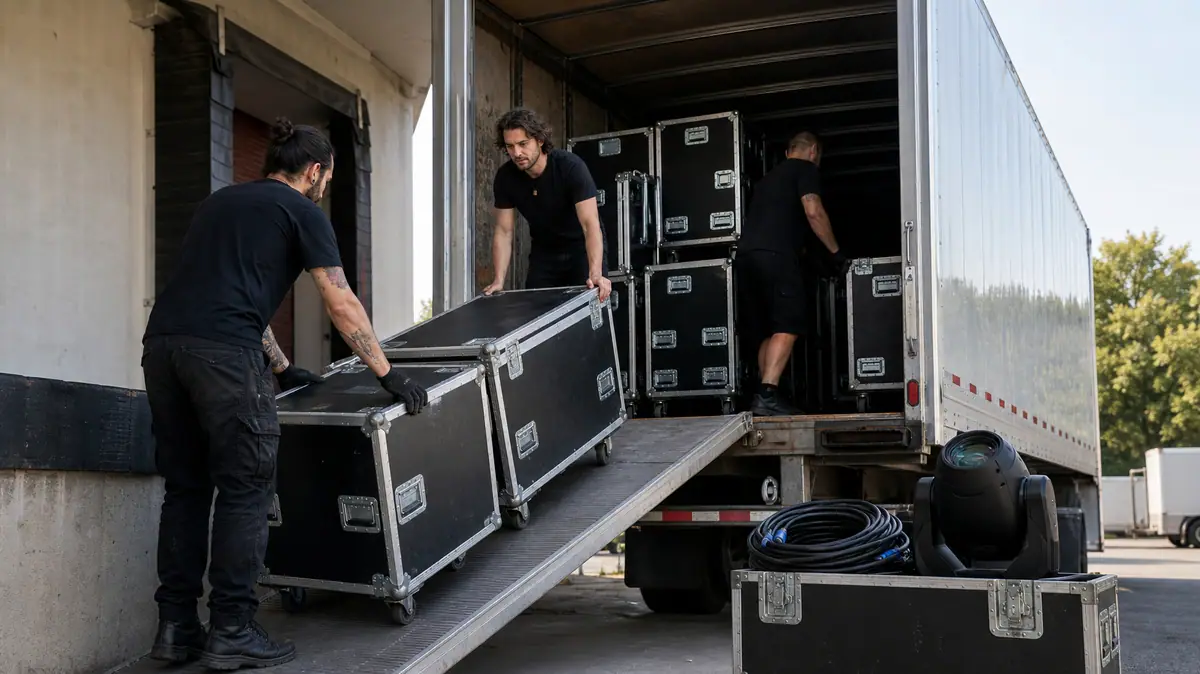
The venue loading dock is where the tour’s equipment meets the building’s staff. Some venues already cover it well. Others have one wide shot of the whole dock, or no camera on the door you were assigned. During the advance, ask what the dock cameras actually show and whether the production can get the footage if a case goes missing.
A wide shot can show that something moved. It usually cannot show who took a specific case. Where house coverage is thin, a temporary camera on the dock door, the ramp, and the path from the truck to the stage door covers the hours the trailer is open. Our article on why your loading dock may be the biggest blind spot in your warehouse was written for warehouses. The part that applies here is the difference between an overview and a view tight enough to identify a person and a case.
Backstage Doors, When the Venue Allows Them
Backstage is where the gear, the crew, and personal belongings end up in the same rooms, and every building handles those doors differently. Laminates are already part of the show. Temporary access control is worth adding when the venue will allow the hardware and the run is long enough to matter: a residency, a festival, or a multi-day hold.
On a one-nighter, many venues will not let a tour mount readers or locks on their doors. Ask which doors the house already controls, who on the venue staff owns each one, and whether those doors get propped during changeover. Settle that before the trucks arrive.
Where the building does allow a temporary system:
- Temporary credentials for touring crew and approved local staff, limited to the doors and hours they need, and turned off when the run ends.
- Controlled doors on the production office, dressing rooms, and gear storage, in place of a shared key or a code the whole crew knows.
- An entry log that records which credential opened which door and when, so it can be set next to the camera footage if something is missing.
- One owner on each side. House security and the touring production should agree on who manages each door, and on how the hardware comes off without damaging the building.
Clear access rules protect honest crew members as much as the gear.
Screening the Artist and Crew Entrance
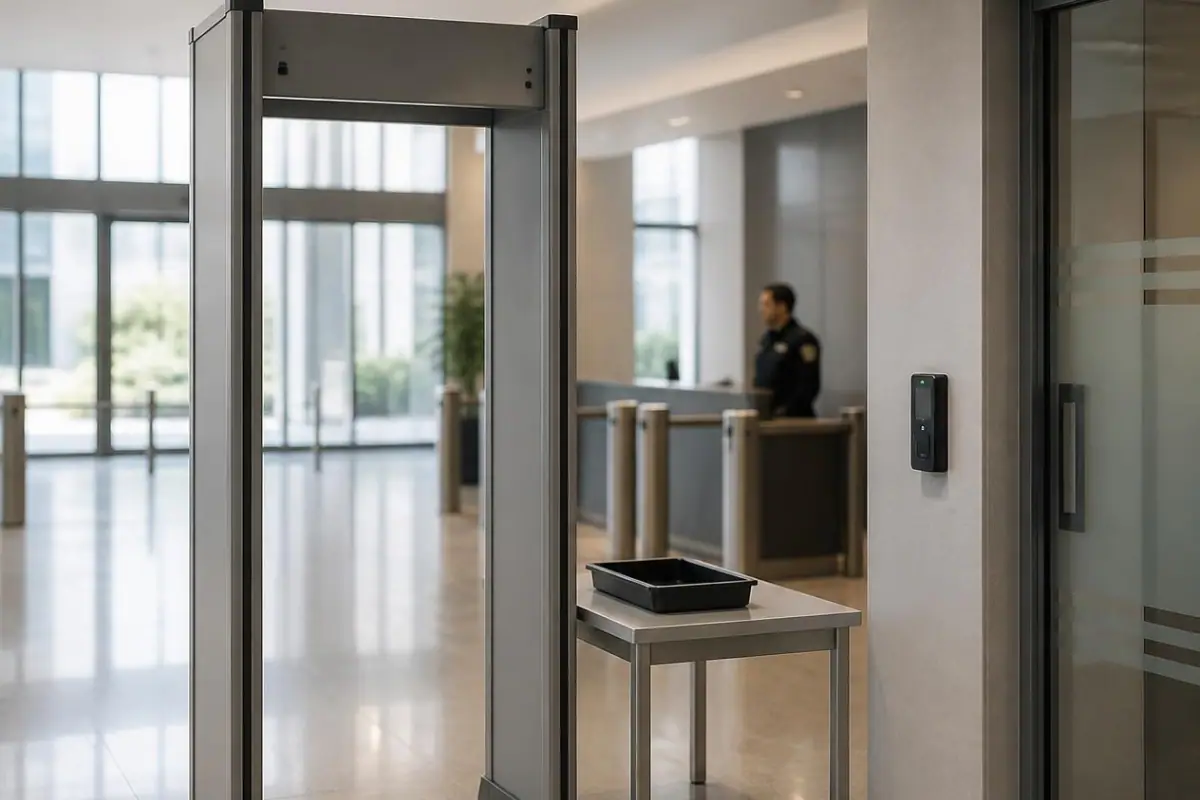
Some venues already screen the artist or crew entrance. Ask during the advance, before the trucks arrive. Where the house does not, portable metal detectors can cover that door for the run.
A handheld is usually the right unit for a crew or artist door. A walk-through lane fits a festival gate or a public entrance that has a real queue. Put a camera on the screening point so the person at the door and the production manager at the hotel are looking at the same line. Renting versus buying metal detectors goes further into how that screening lines up with cameras and access control.
Rent the detectors for a festival, a residency, or a handful of dates. Delivery and setup are confirmed when you request the quote. If the tour screens a crew door at every stop, price buying handhelds and keeping them on the truck. Either way, someone has to staff the door for every hour it is open. A detector with no operator does not screen anyone.
Remote Viewing From the Hotel or the Bus
The people responsible for the gear are rarely standing next to it in the middle of the night. Remote viewing lets a tour manager, production manager, or head of security check live or recorded video from a phone or laptop, from the hotel, the bus, or the next venue.
- Name one person who answers an overnight alert. A trailer-door alert that nobody is assigned to look at will sit there until morning. Keep the rest of the user list short, and remove people when they leave the tour.
- Aim alerts at the rear doors after hours. Motion alerts on a busy lot turn into noise, and the crew will start ignoring them.
- Practice the export before you need it. A venue, a hotel, or a local authority may ask for a clip. Someone on the road should be able to find it and send it without calling the shop.
- Keep the recording past the next city. A missing case is often noticed days later. The footage has to live on the recorder in the cab, or in another locked spot, and someone should confirm it is still there before that recorder is packed for the drive.
Catch Placement Mistakes on Night One
On a tour, a bad camera angle is not a one-time mistake. It repeats at every stop until someone looks at the live view and fixes it. The usual problems are a camera mounted too high to show a face, a lens aimed into headlights or dock lights, and a case or a truck parked in front of the lens after the camera was set.
Put a two-minute check on the daily schedule. After setup, one person opens the live views and confirms the rear doors, the ramp, and the dock door are actually in frame. Our guide to security camera placement mistakes that create blind spots covers the same errors in more detail.
Draw Each Venue Before You Ask for a Quote
The overnight truck plan can be copied from city to city. The building has to be drawn every time. The free Site Layout Planner lets you upload a venue map, a dock diagram, or a site image, place camera and access-control markers, name them (“Trailer Doors,” “Dock Ramp,” “Production Office”), and submit the layout with a quote request.
| Area | What to mark | Questions to answer |
|---|---|---|
| Truck and trailer parking | Cameras on the rear doors, the cab, and the way people approach the lot | Is there power on the lot, or does this stop need battery or solar? Where does the recorder lock up? |
| Loading dock | Cameras on the dock door, the ramp, and the staging area | What does the venue’s own coverage show, and can we get the footage? |
| Path to stage | A camera on the route from the dock to the deck | Can we see a case move from the truck to the stage and back? |
| Backstage doors | Access control on offices, dressing rooms, and storage, if the venue allows it | Will the building allow temporary hardware, for how many days, and who on the house staff owns each door? |
| Artist or crew entrance | A camera on the screening point, plus a handheld or walk-through if the house is not already screening | Does the venue screen this door, who staffs it, and do we need a rental? |
| Hotel or overnight lot | A cellular camera aimed at the parked trucks | Who is the overnight contact, and can they open a clip from the hotel? |
A layout is a head start. Our team still confirms views, mounting, and connectivity during installation, or with the technician on a rental.
Is Your Gear Covered Between the Last Song and the Next Load-In?
Use the same overnight setup on the trucks, and a fresh plan for each venue’s dock and doors. The cameras should move with the show. The access control should show up only where the building will allow it. A metal detector should show up only where someone is assigned to run it. Someone on the road should be able to see the cameras from the hotel.
 Talk with CameraSecurityNow.com about the next tour before the trucks roll—call 800-440-1662. Tell us which stops are one-nighters, which lots have power, and whether you want a technician on site or a kit the crew can deploy. We have planned and installed commercial security cameras and access control since 1998, from our headquarters in Middletown, Ohio, serving businesses across Ohio and surrounding states with a nationwide installer network.
At CameraSecurityNow.com, we plan the cameras around the hours the gear is actually sitting alone: the hotel lot, the dock while the trailer is open, and the backstage rooms the venue will let us secure.
The best time to find a gap in your touring security is during the advance, not after the load-out.
Related reading
- Your Loading Dock May Be the Biggest Blind Spot in Your Warehouse
- Security Camera Placement Mistakes That Create Blind Spots
- Renting vs. Buying Metal Detectors: How to Plan Screening That Works With Your Cameras and Access Control
- How to Map Camera and Access Control Locations Before You Request a Quote