Protecting IP Security Cameras from Hackers
· By rreeve · Security Industry & Product News
Updated July 25, 2018
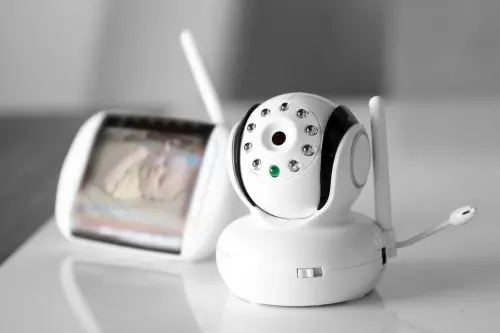

There have been some alarming news stories of hackers gaining access to networks and controlling camera feeds via wireless security cameras. Most notably are compromised baby monitors where parents have witnessed the camera moving on its own and unknown voices speaking to them and/or their child through the speakers. Scary and creepy, but also alarming when these hackers turn into cyber criminals utilizing an unsecured gateway to obtain personal data.
What’s the solution? Adopt sound setup, maintenance and overall security procedure for your wireless security cameras. Without proper security measures, wireless security cameras are prime targets, open to manipulation for criminal gain.
Why Wireless Cameras are Vulnerable
Wireless cameras are often referred to as Wi-Fi enabled IP (Internet Protocol) security cameras. These cameras provide wireless security coverage to monitor and protect businesses and consumers for a variety of reasons. The appeal is their ability to use an internet network connection to stream live footage to a secure online space, that can be accessed via computer or a mobile app enabling the user to observe what is happening in “real-time”. However, if not set up and secured properly, IP security cameras can also provide a gateway for hackers to invade privacy and gain access to personal networks.
These types of cameras are usually vulnerable due to human error. When utilizing the ether to transfer data, it is important to fully utilize all security layers provided or suffer the consequences of unwanted activity.
How to Secure IP Security Cameras
Make sure the purchased/rented camera supports encrypted connections such as SSL/TLS. SSL stands for Secure Socket Layer. It is a digital certificate that allows a secure and encrypted transfer of data between a browser and a web server. SSL’s main purpose is to prevent hackers from sniffing sensitive information sent across the internet by encrypting it. Once the information reaches the intended recipient, it is unencrypted. Without this fundamental layer of security, there is no way for a wireless security camera to be protected.
Secure the Wireless Network
If the IP enabled security camera has SSL connections, the Wi-Fi network must be secured (including a modem and/or router).

- Make sure that your router is configured to use WPA2 based encryption
- Using strong passwords and change them on a regular basis
Once the wireless network is secured, make sure to setup and maintain the camera correctly.
Secure the IP Enabled Camera
The best policy is to read the manual. Do not activate an IP enabled wireless security camera before reading through all instructions and changing the default password. The use of a default password is the most common reason why hackers are able access wireless cameras. In addition to a strong, secure password, wireless camera users must:
- Keep the firmware up-to-date
- If possible, turn off the camera when not in use
- Never connect to a public Wi-Fi to check the camera feed
- Beware & delete any emails indicating the password needs to be reset
- Do not place the camera in an area that compromises privacy (e.g. bathroom, bedroom, by an alarm system/computer where access codes are entered)

SACS Consulting Provides Expert Security Assessments and Recommendations
SACS Consulting & Investigative Services, Inc., provides Physical/Vulnerability Assessments to determine the best practices when implementing security cameras to protect your organization. Please give us a call at 330-255-1101 to speak with one of our security professionals today!
Want to share this story on social media? Use these hashtags! #CyberSecurity #Surveillance #Security